
Josh Hagan
Chapter 18 – Josh Hagan
Kawasaki Rendokan - Nidan ~ 2nd Dan
Started in 1986 as a 4-year-old
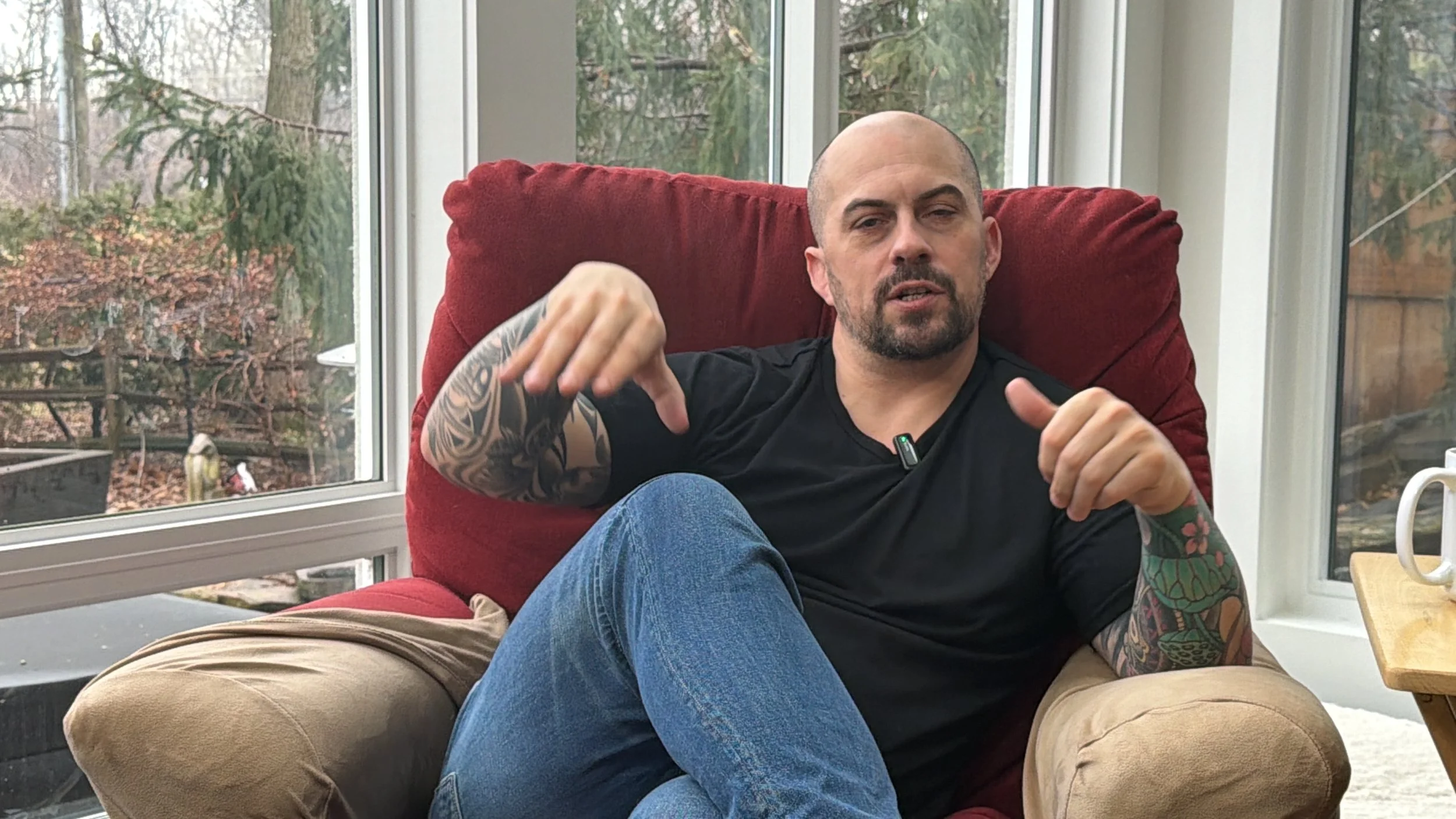
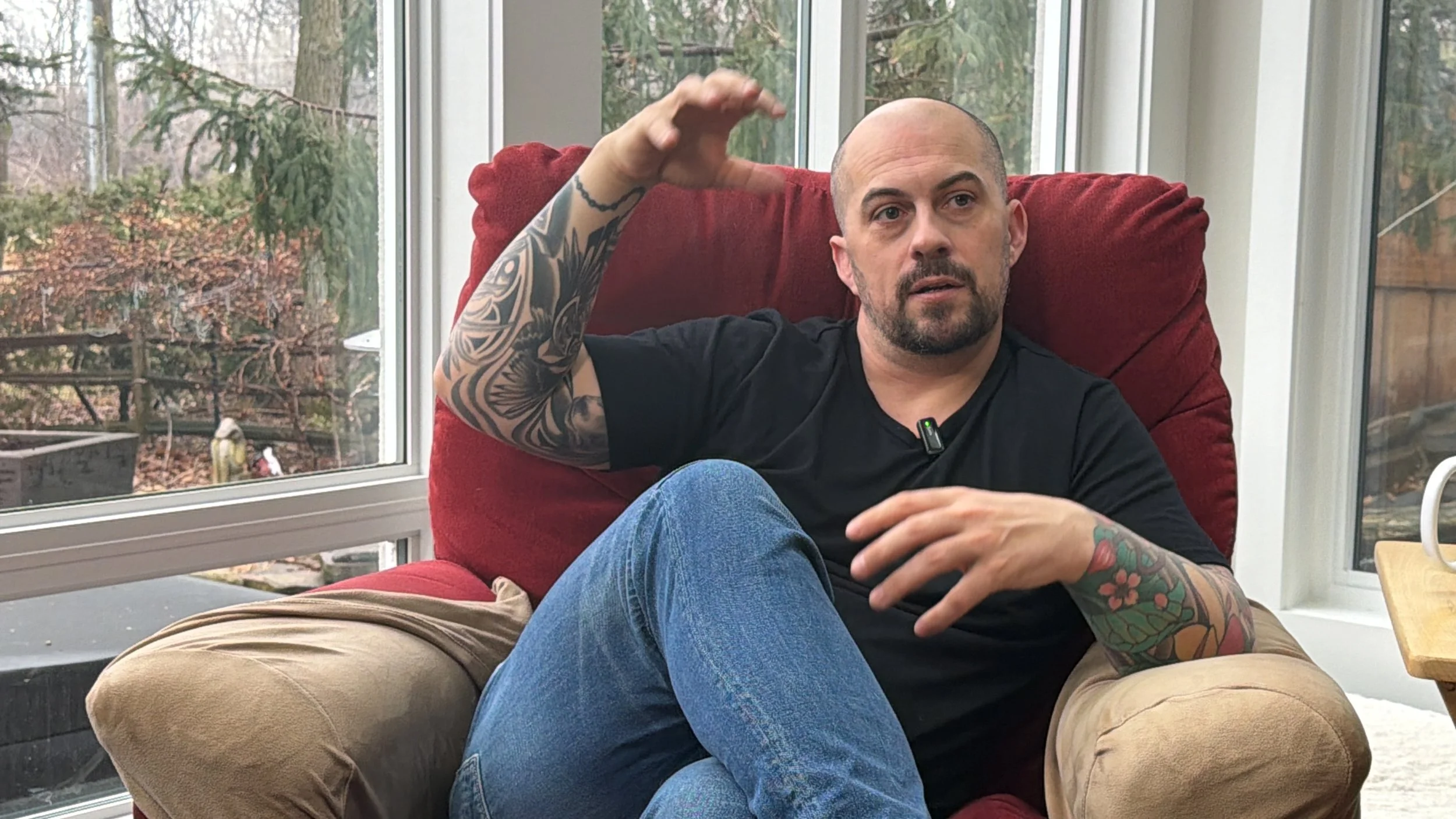
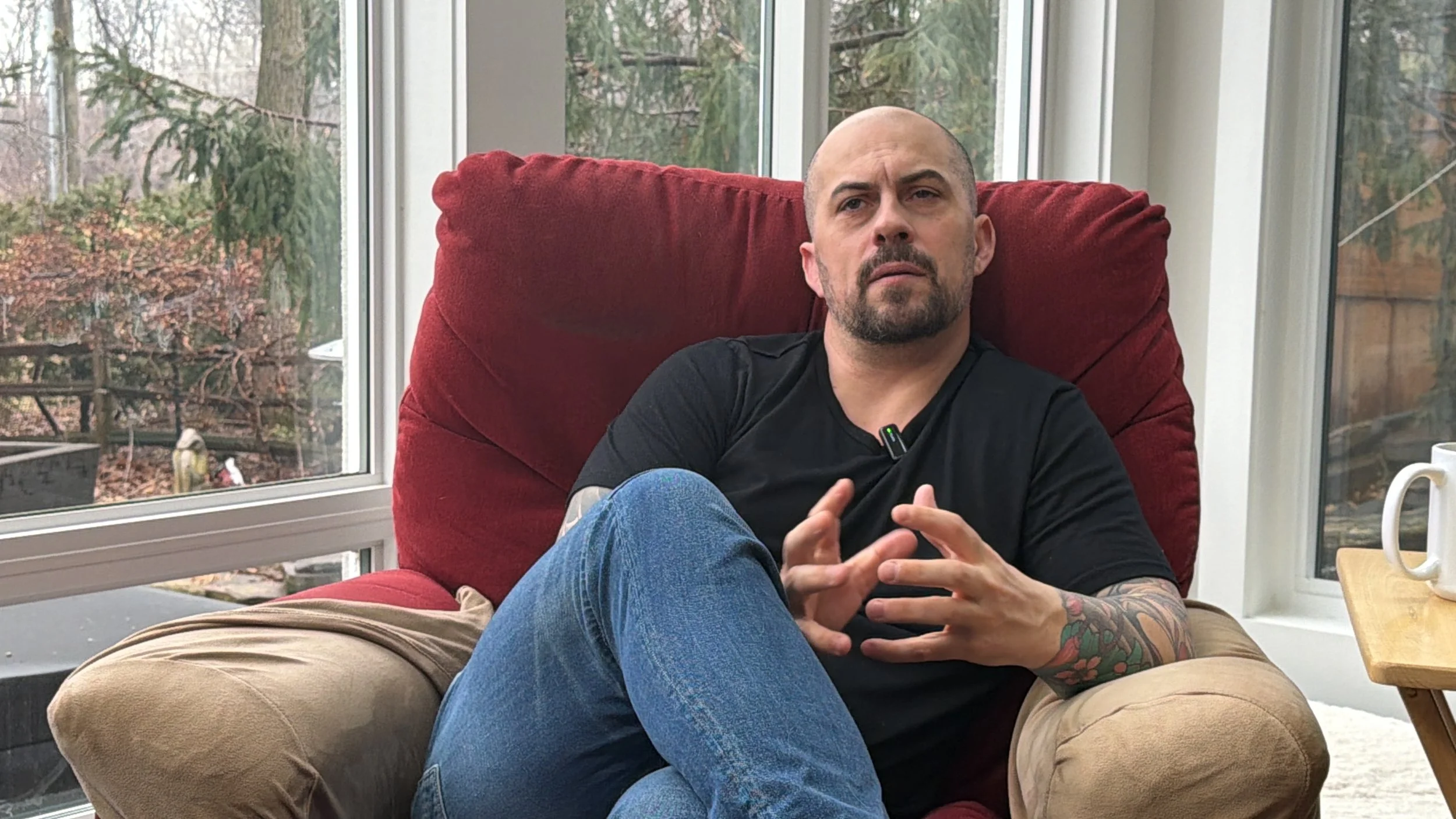
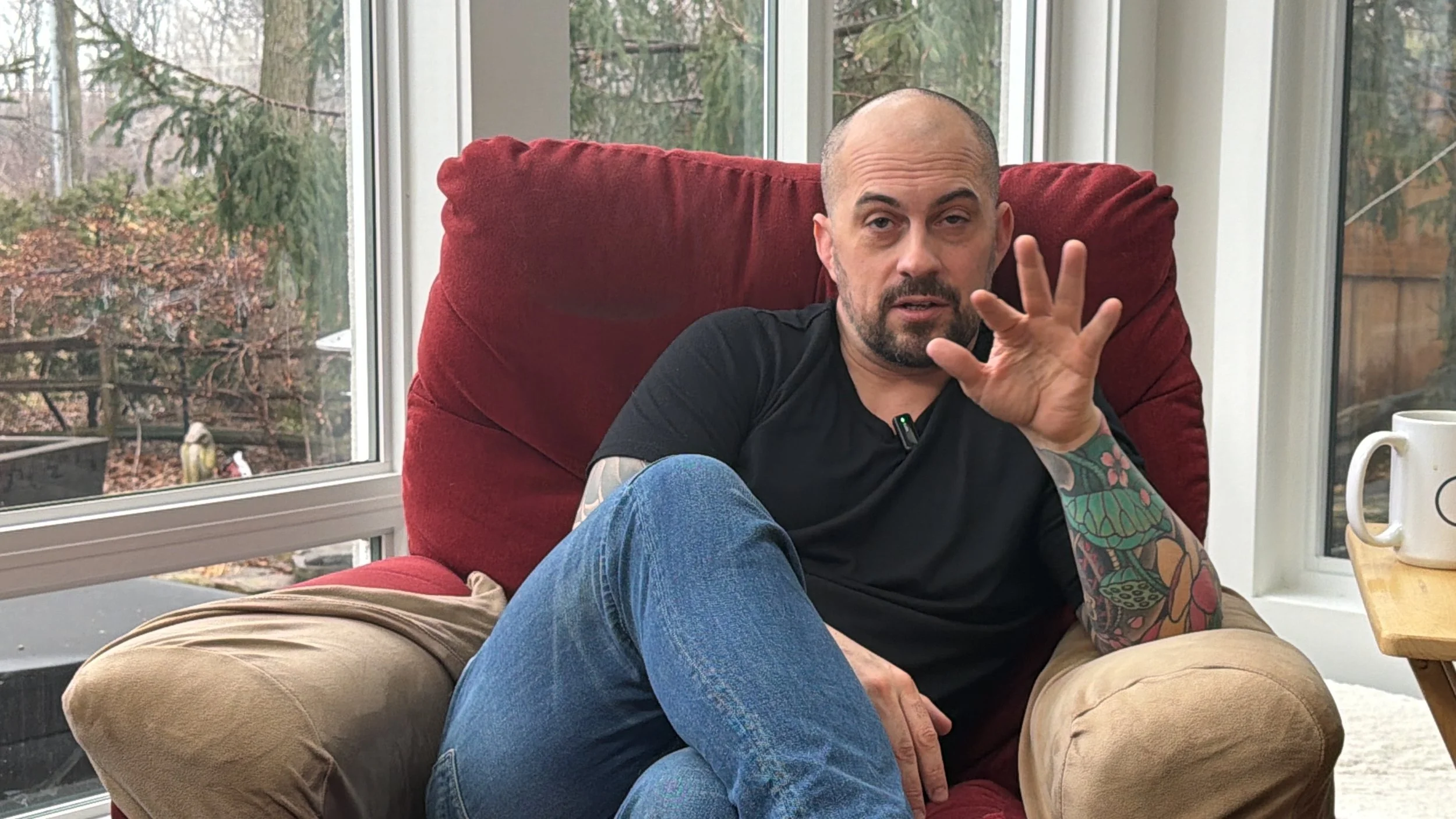
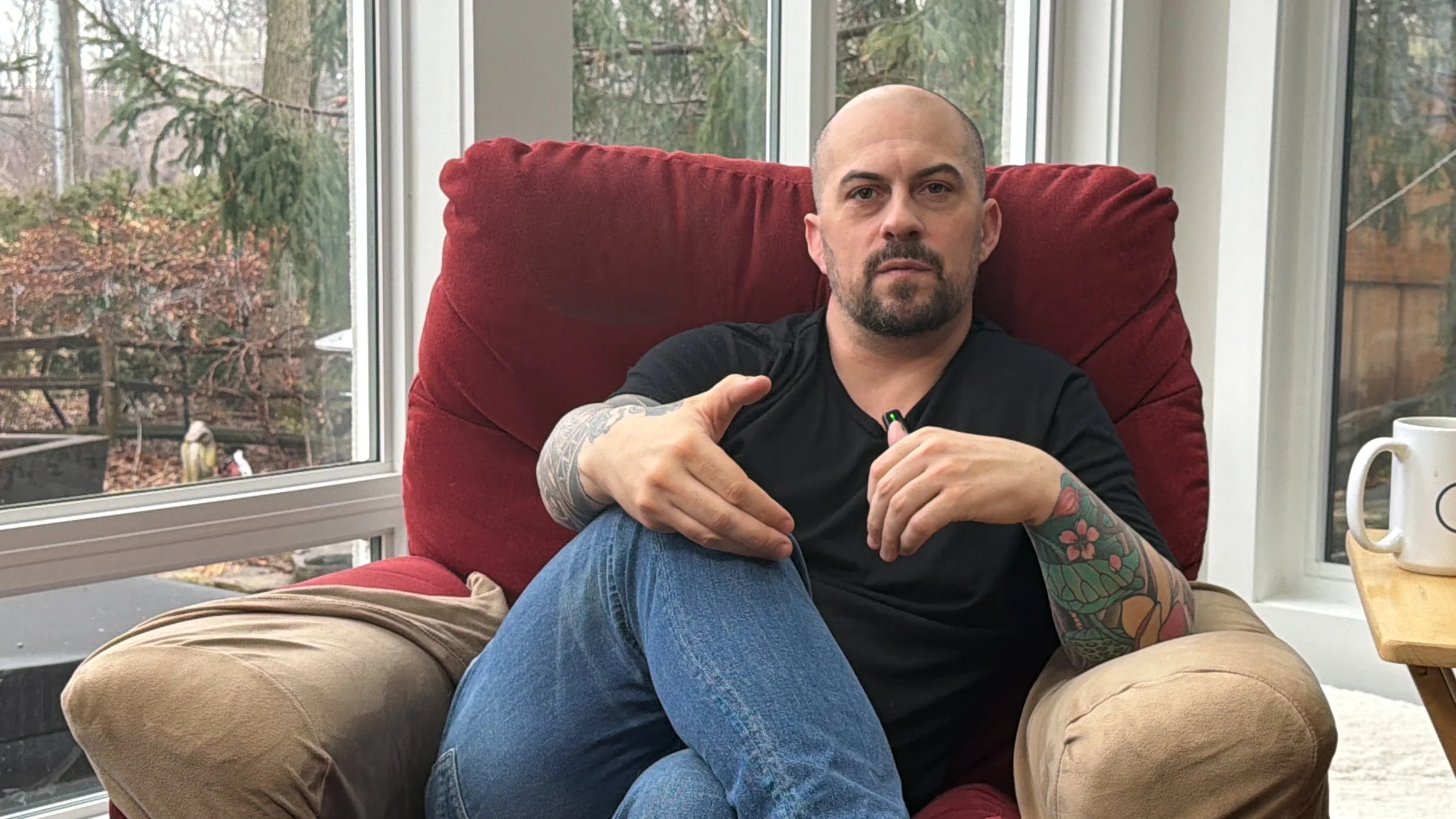
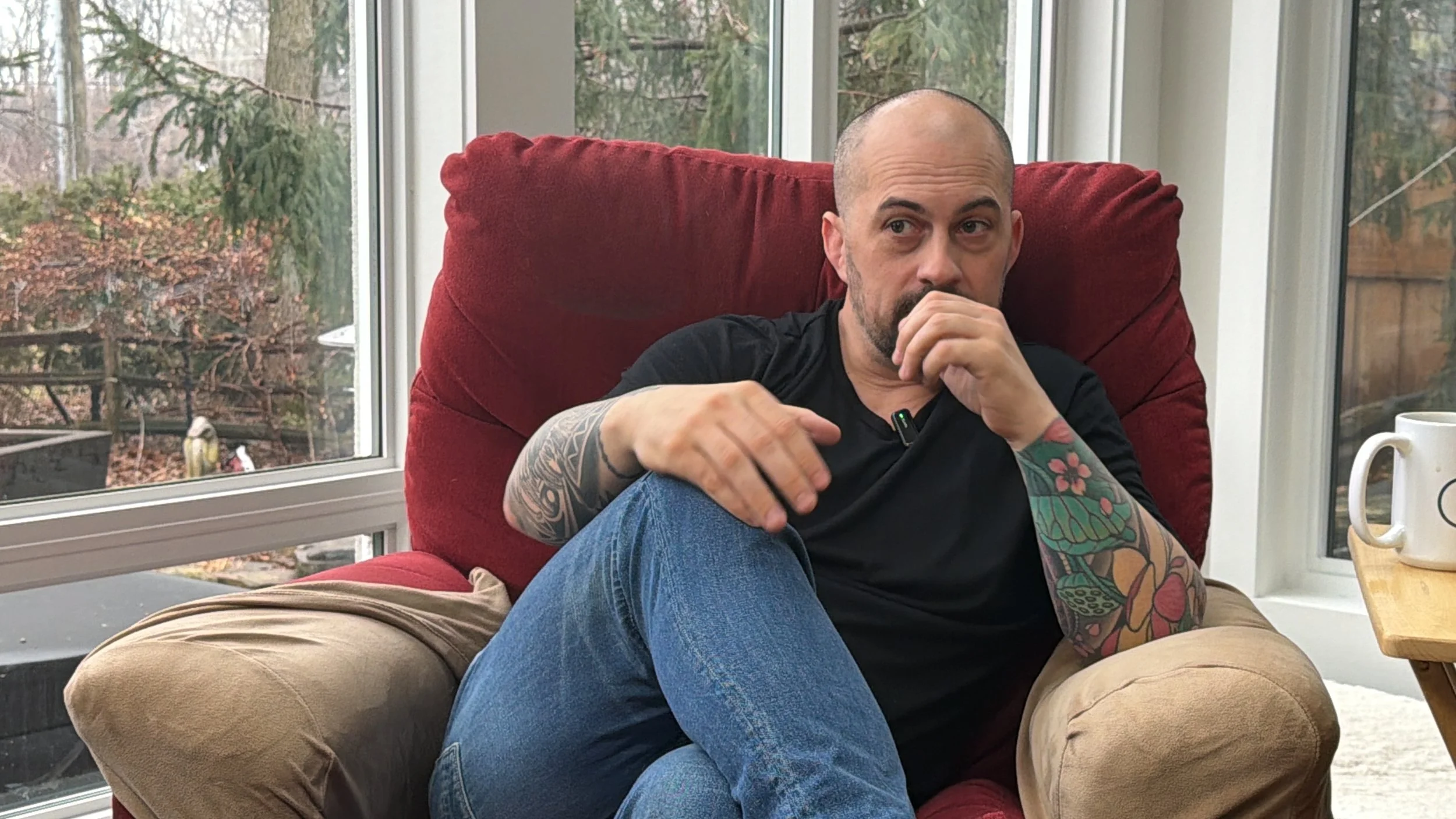
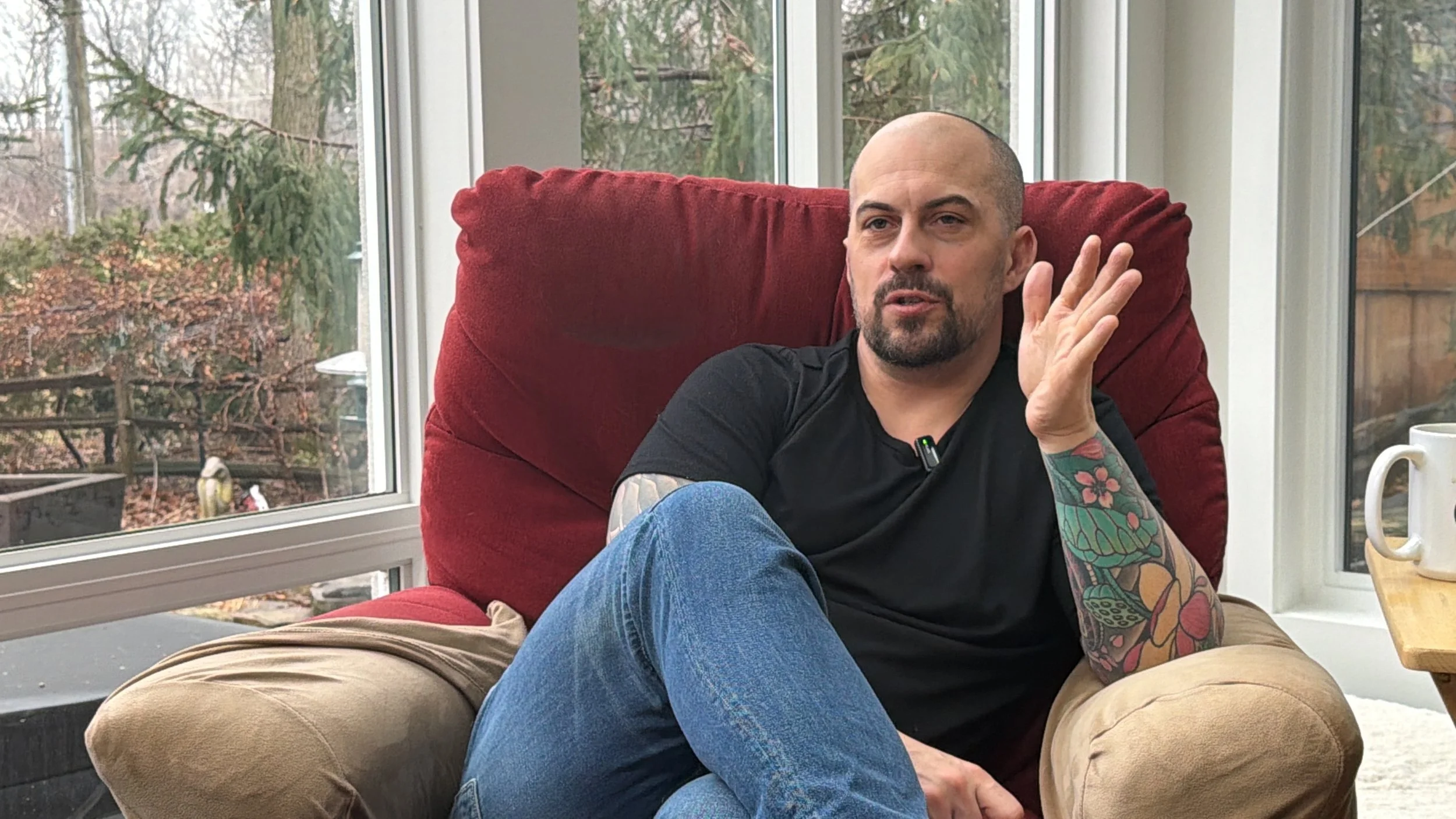
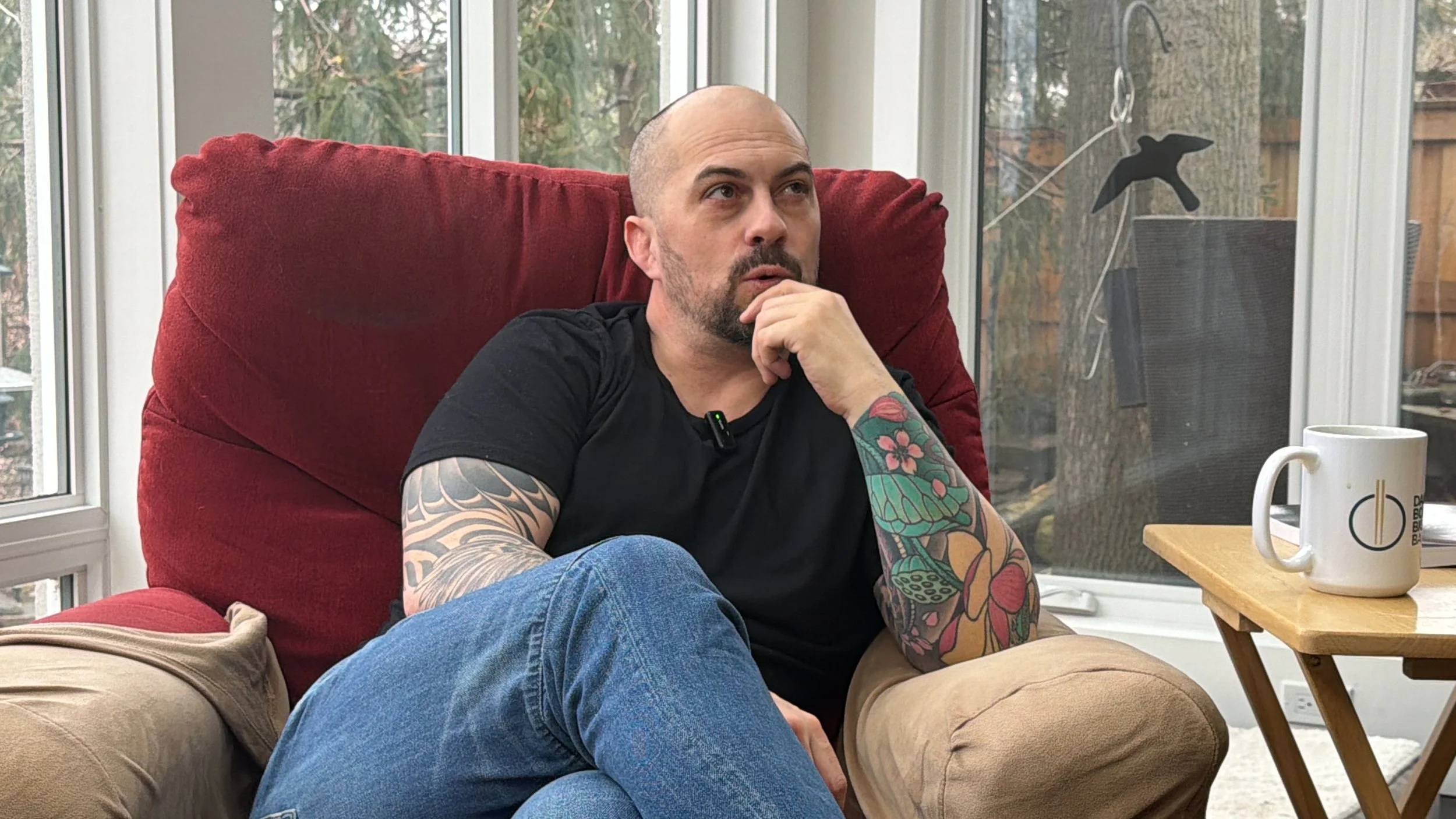
What has been your biggest challenge that you have overcome?
One of the biggest challenges of growing up in a small town was the lack of high-level coaching and strong training partners locally. My primary training partner was my older brother, who, as you can imagine, wasn’t always ideal. To improve, we had to travel constantly.
A typical Wednesday meant being picked up from school and driving three hours to Hamilton. We would train hard, then get back in the car and drive home, arriving late at night. Weekends were even more demanding. On Fridays, we headed to Toronto to train at Minoru Dojo, then drove back to my grandparents’ place in Hamilton to stay overnight. Early Saturday morning, we got up again to spend the day training at Kawasaki’s Rendokan. On Sundays, “on the way home,” we often detoured through Kitchener to train at the Asahi Dojo before finally making it back.
It was an incredible commitment, both financially and emotionally. My parents sacrificed a great deal to make those opportunities possible. There were times when it felt like we lived in the car more than at home, when we weren’t on the mat. But that grind of miles, the late nights, and the constant pursuit of better training shaped not only my judo but also my mindset.
What drew you to Judo, and what makes you so passionate about coming back?
I began judo at three years old, but I was in the dojo long before that, watching my older brother train. I don’t remember my first class or even my first judogi. I don’t remember “starting” judo because it has always simply been part of my life. To me, judo is like walking—it's not something I chose once; it’s something I’ve always done. It’s woven into who I am and who I will always be. My closest friends are fellow judoka. The dojo has shaped my character, discipline, and community. Coaching judo has become my way of serving others. Through it, I help students build confidence physically, mentally, emotionally, and socially. As a high-performance coach, I have the privilege of showing athletes that they are capable of extraordinary things, often far beyond what they believed possible.
What does your life outside of judo look like?
My life outside of judo is spent with my beautiful children, playing guitar, and trying to find the nearest lake to spend time at.
What “Gem” would you pass on to your younger self or someone just starting in Judo?
1. You can learn from anyone in judo; even a white belt may ask you a question from a new perspective. Answering these questions has taught me a lot about judo.
2. Practise judo with intention; focus on your goals rather than merely hoping things will fall into place. This deliberate approach will significantly accelerate your skill development.
3. Your best is still ahead. Don’t be too hard on yourself for not being where you want to be right now. Growth has no finish line. Like dividing a distance in half repeatedly, you never quite reach the end, but with each step, you get closer and improve.
You can see Part One of the video on YouTube by following this link:
https://www.youtube.com/watch?v=ASUTtnNoPg4&t=3s
Be aware of all the other avenues you can pursue because of judo. Here is mine:
· Former International Competitor
· Co-Founder of Matsuru Canada
· Former Executive Director of NWT Judo Association
· Higher Performance Coach and Director of Development for Judo Sask
· 2020 Tokyo Olympics On-air analyst, called the first women's Olympic medal for Canada (Jessica Klimkait and Catherine Beauchemin-Pinard)
· 2024 Paris Olympics On-air analyst, called Canada's first-ever Olympic Champion, Christa Deguchi