Caring ~ Responsible ~ Nurturing
Generous ~ Creative ~ Inquisitive ~ Resilient
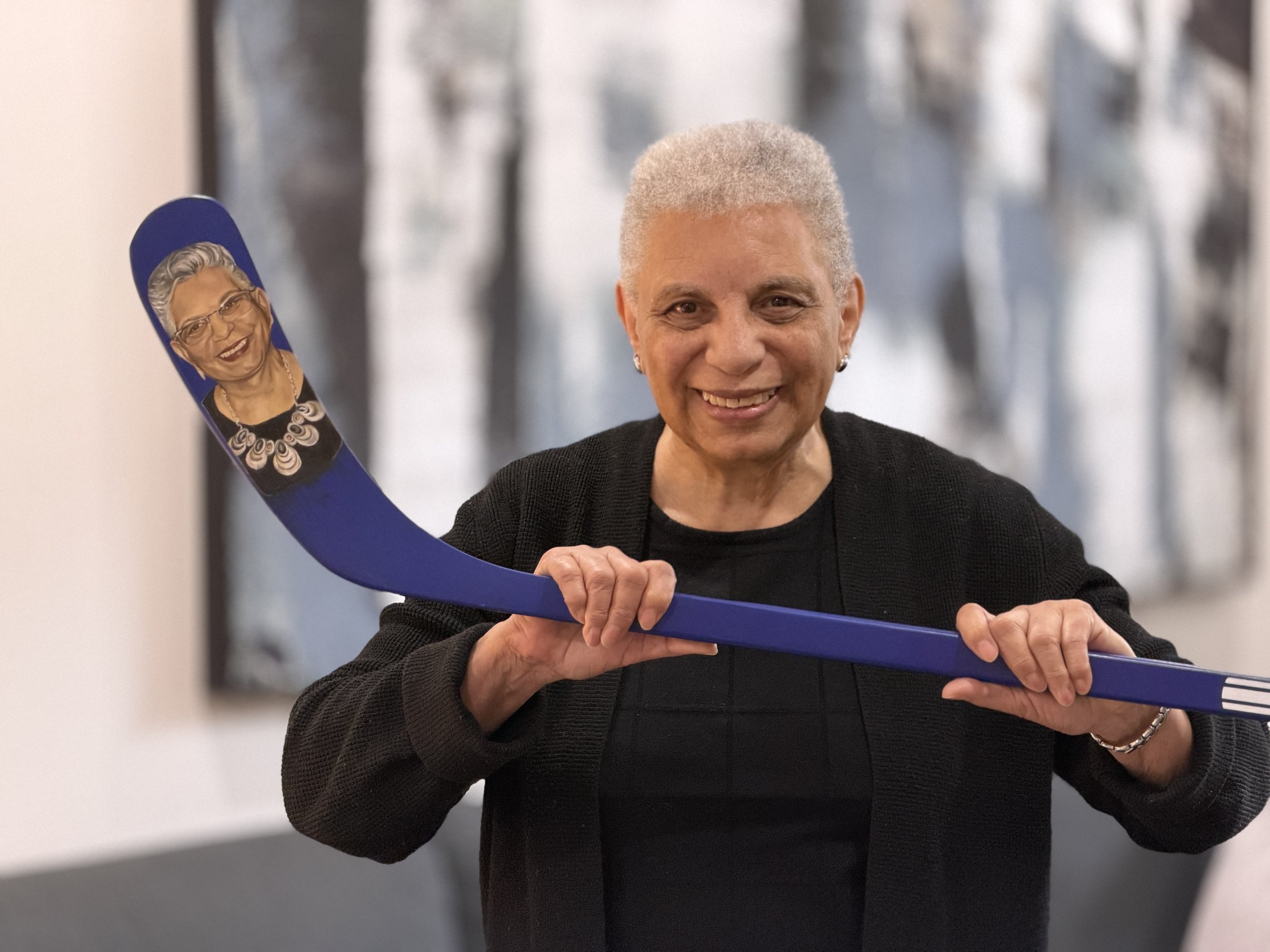
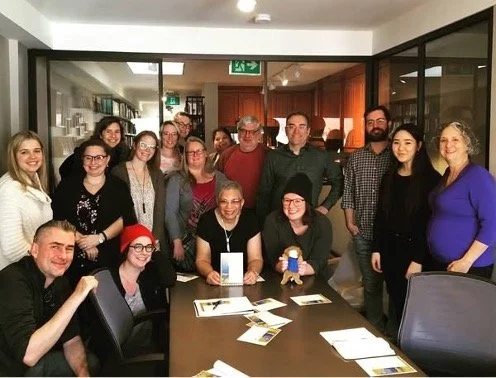
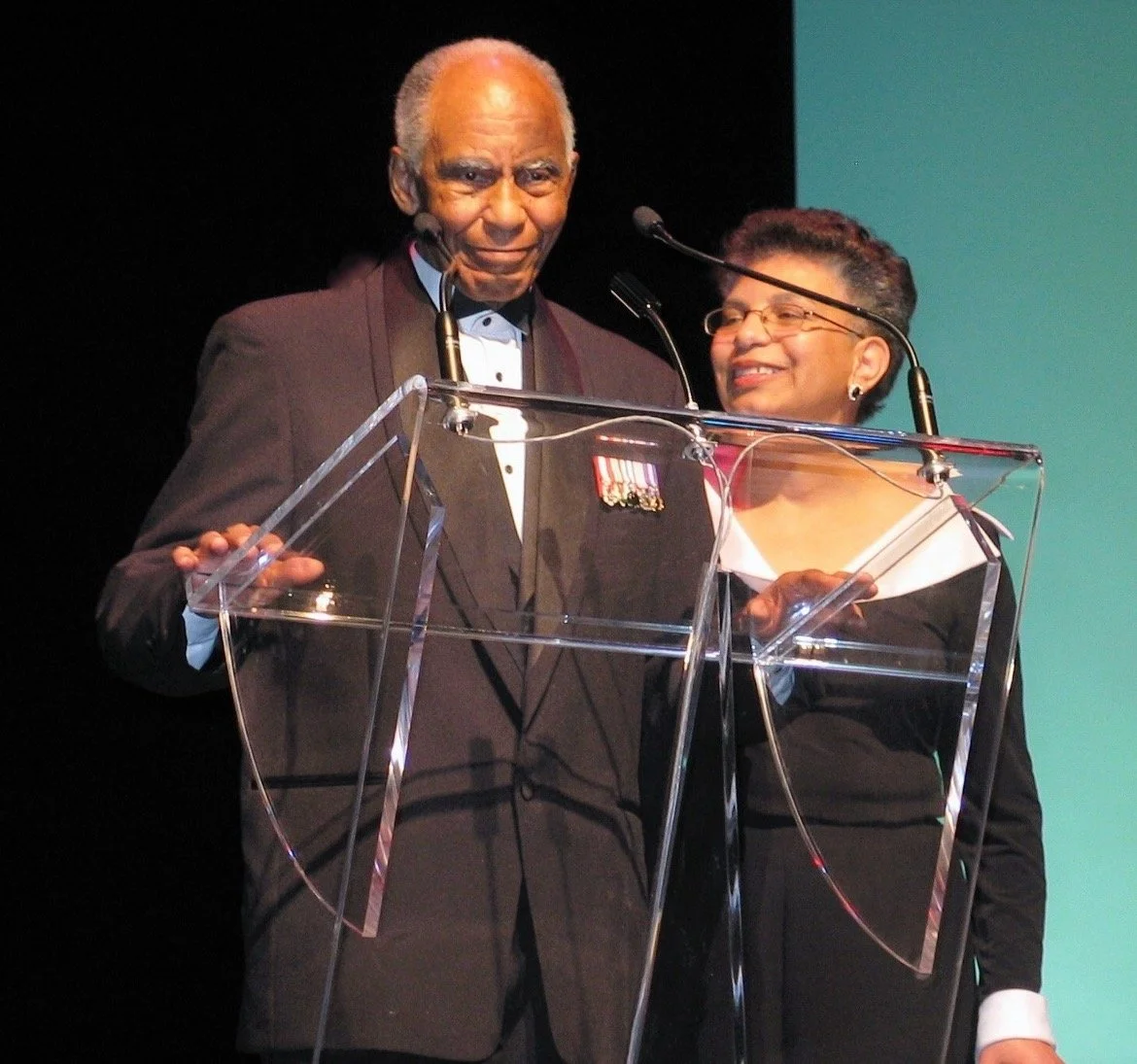
Once again, I owe Paul Patskou a huge debt of gratitude for yet another amazing connection. This time, it is the inimitable Bernice Carnegie.
We first met over a year and a half ago, but never had the time to sit and chat; that was my loss. When we finally met for this incredible one-on-one conversation, I realized I was the one who missed out on getting to know someone very special.
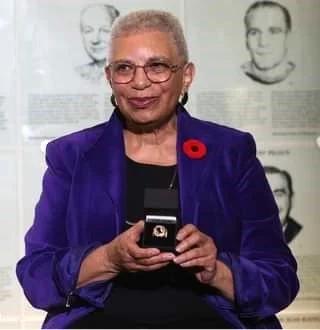
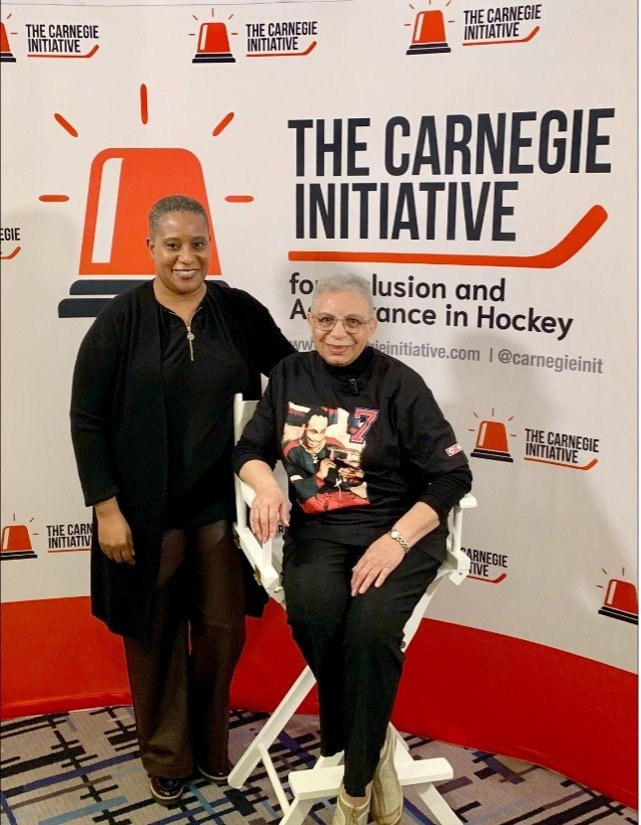
I found Bernice thoughtful, gentle, and living a life of purpose. Many people might know the name because of her father’s achievements, but once you meet Bernice, you will know she’s worthy of the same respect and appreciation as her father, Herb. I, for one, am so thrilled to finally have had the opportunity to get to know Bernice and her journey.
Meet Bernice.
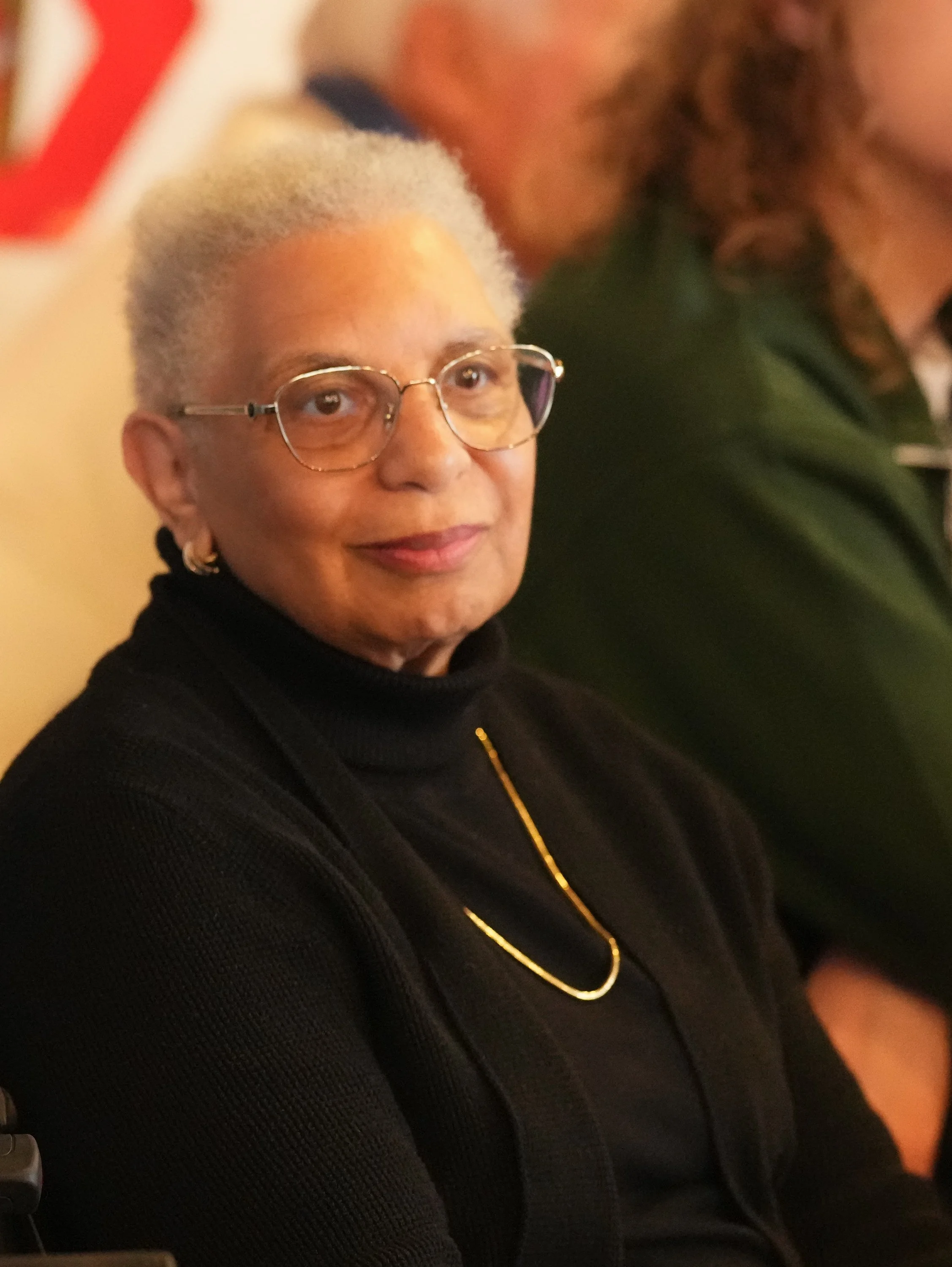
At some time, you reached a fork in the road. At the time, it didn’t feel like a big moment, but looking back, you realize it was. One that changed your life. Describe yours.
In my mid-thirties, I faced numerous unexpected challenges that disrupted what had seemed stable and comfortable. My life had closely mirrored the path my family's previous generations had set until unforeseen circumstances caused significant upheaval.
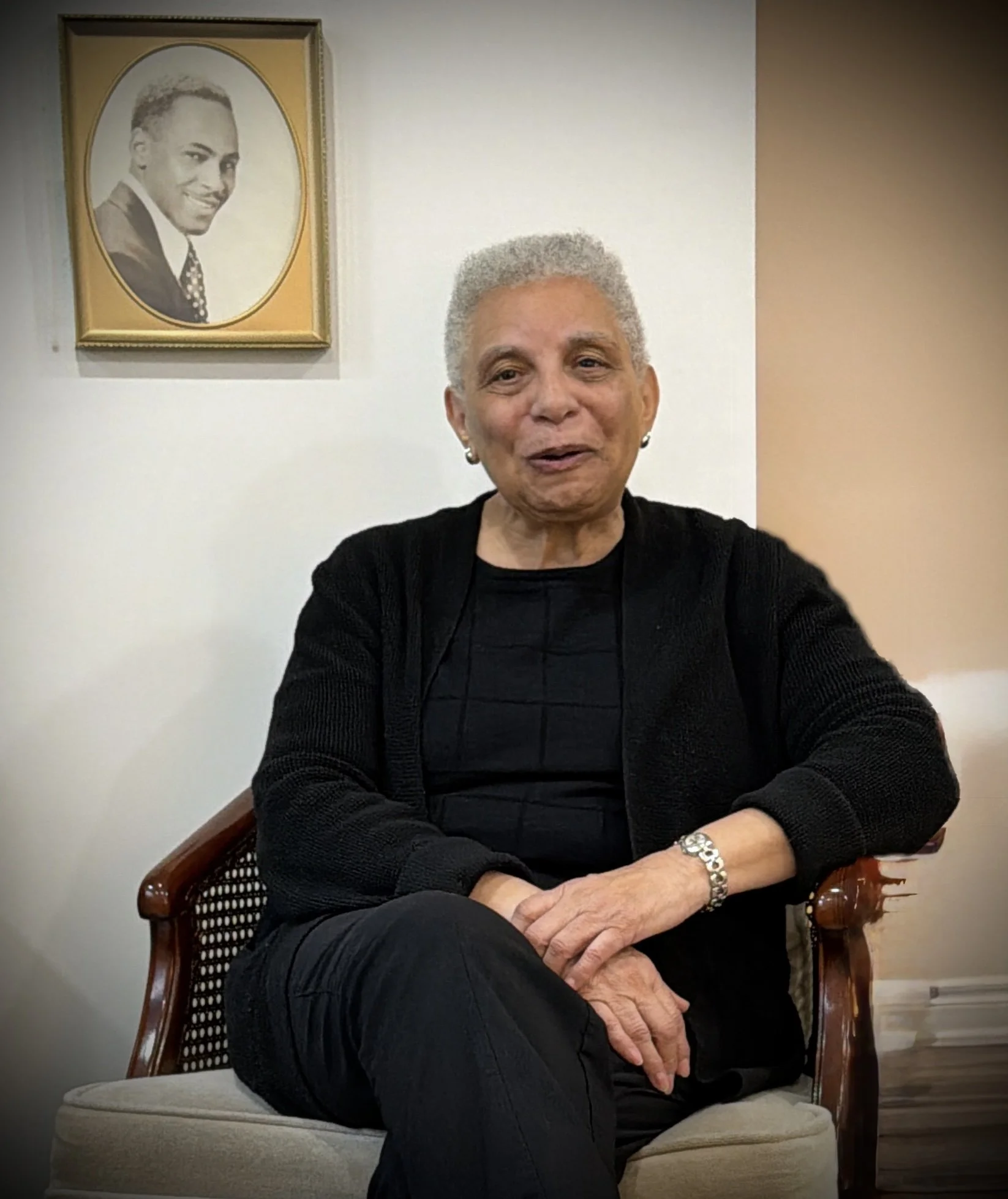
For context, both my paternal and maternal grandparents (Jamaican and American) arrived in Canada in 1912/1913. According to a 1921 civic status report, Toronto’s Black population was fewer than 1,000. I have come to appreciate how my family’s courage in navigating obstacles while adapting to their new surroundings has fuelled their entrepreneurial spirit. I share part of their journey in our family biography, “A Fly in a Pail of Milk: The Herb Carnegie Story.” Part II, written by me, reveals “Lessons passed on from father to daughter.” My grandparents were true pioneers who set an example for their descendants by becoming land, home, and business owners in an era when they felt the cold chill of being a minority in Canada. My mom and her three brothers followed suit by buying property and helping each other build their own homes.
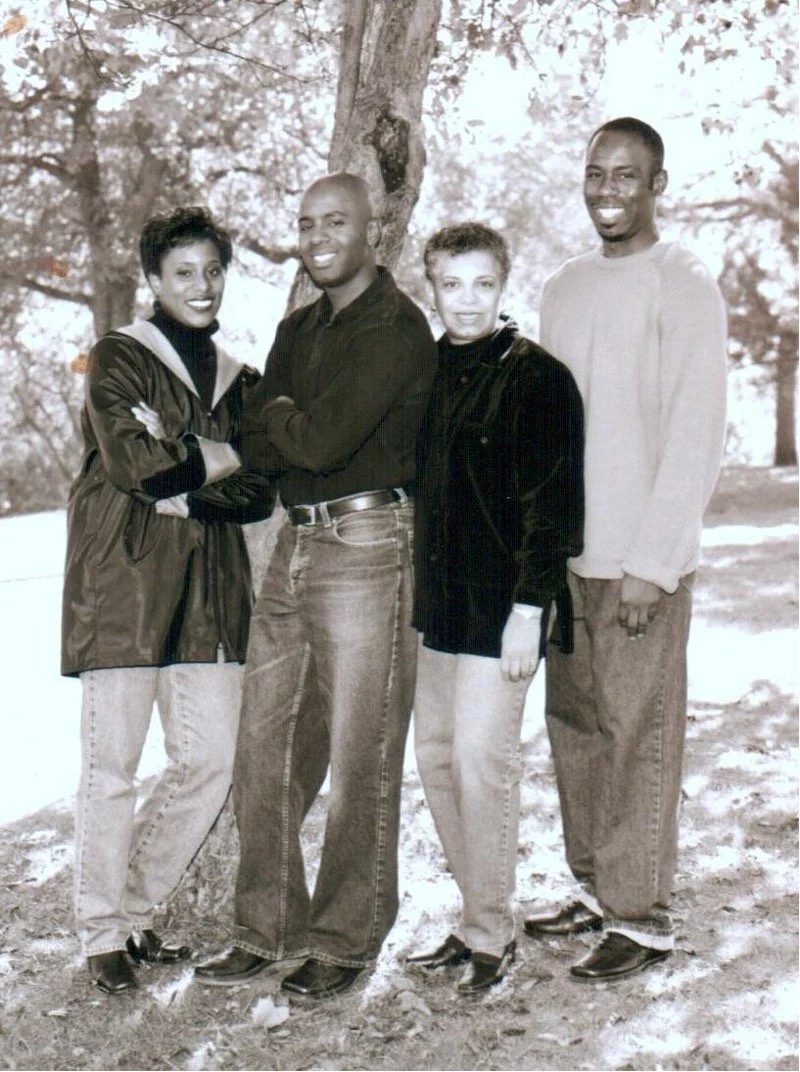
So, how does this connect to my story? My Jamaican husband came to this country during the wave of immigration in the 1960s. We got off to a great start in our first year of marriage by following the family model. We purchased ten acres of property forty miles east of Toronto, in the quiet countryside of Newcastle. Four years later, he built us a beautiful home, and we eventually raised three children there.
The generational strategy was working. I was living my dream – a kind, talented husband and good provider, a landowner with a custom-built home, three personable and attractive kids, caring and supportive parents, and neighbours who accepted us (we were the only Black family for miles around). So, what happened?
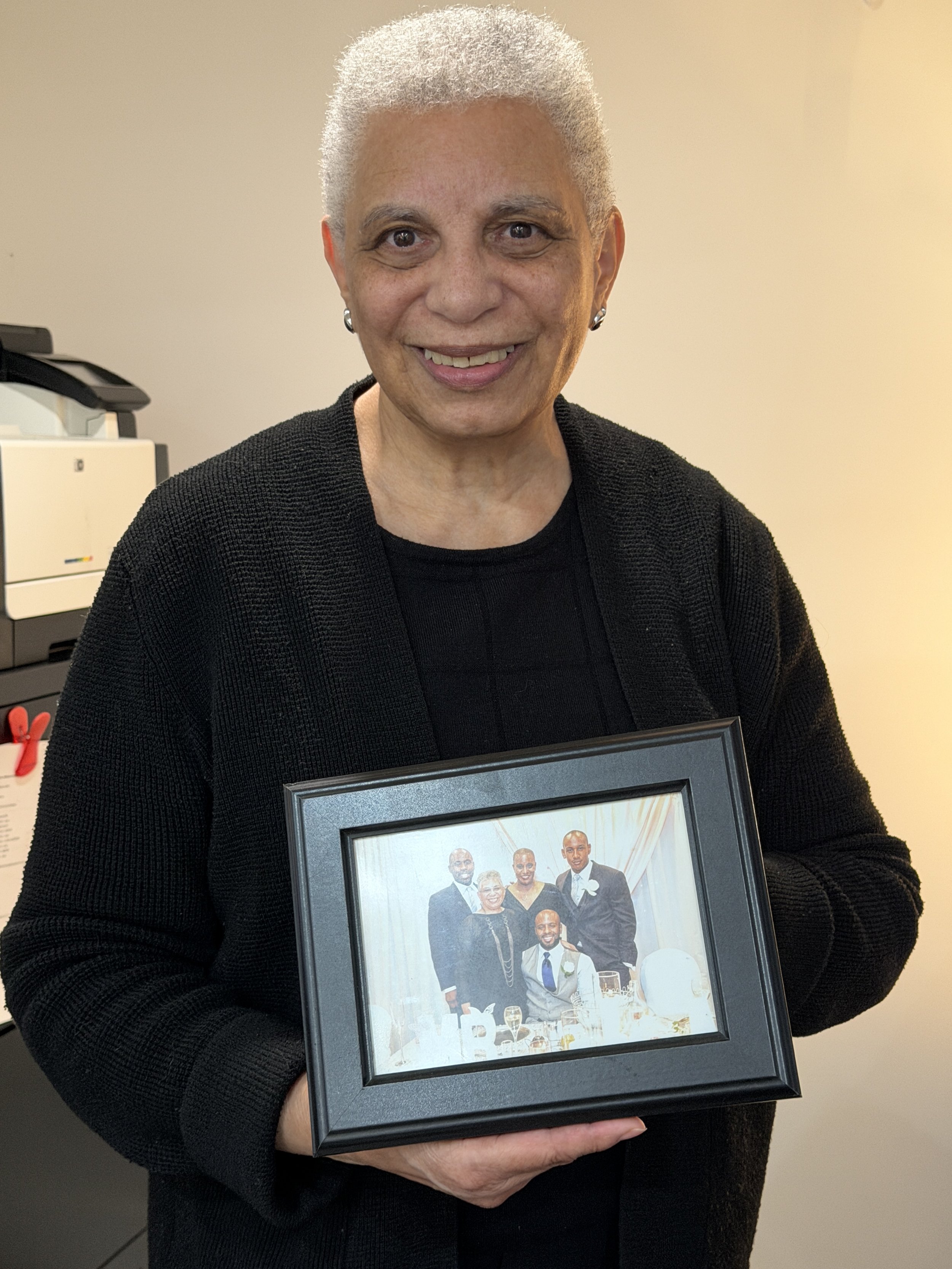
The fork in the road.
The happy homemaker, wife and mother fell down the rabbit hole into a deep, deep, deep depression. If I could have waved a magic wand to stop the hurt, destruction, questionable decisions and the torrent of tears, I would have. Inside, I felt like I was dying, and I didn’t understand why I couldn’t get back on track. What was wrong with me? Why was I feeling this way? I/we tried counselling, but eventually we went to a lawyer, and “I” decided to give up everything – the marriage, the house, the savings and the kids. On the weekend of my departure, I had an epiphany that stopped me from walking out the door and leaving my children. The immediate aftermath of that decision was too multifaceted to explain; I can only say it felt like the death of me. The life I had envisioned for myself and my family ended; my husband and I separated, and I was forced into the unknown. Many years later, looking back, I realize that this initial fork in the road empowered me to face many unforeseen challenges that became adventures. Life can make you or break you, and I was not to be broken.
What has been your biggest challenge, and how did you overcome it?
I enjoyed being a stay-at-home mom for 10 years while also succeeding in part-time sales (home demonstrations). The company’s reward system motivated me to attain numerous incentives, including all-expenses-paid trips to Europe, the West Indies, and Hawaii. My people skills were strong, but my broader business skills needed serious upgrading. The business world had been evolving, leaving me behind. Those incentives were great, but my new challenge was earning enough money to support three children.
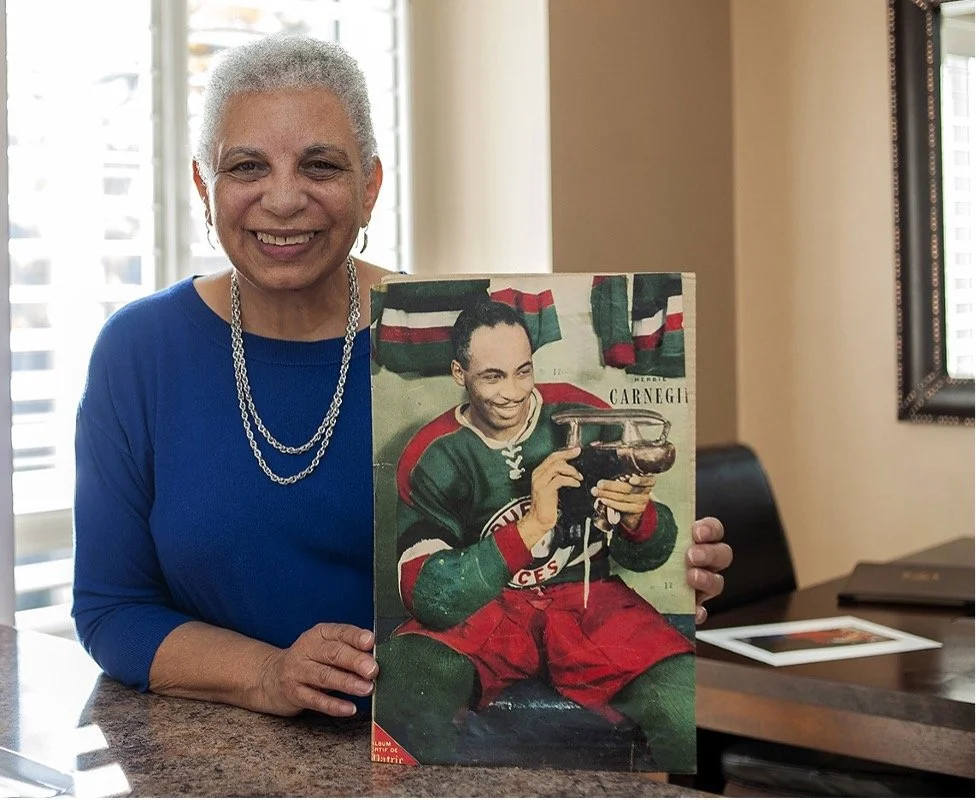
In retrospect, I am grateful for my father, Herb Carnegie's, encouragement: he believed in me! Sometimes that’s all it takes to see beyond the clouds. He suggested I follow him into finance. (He was the first Black financial advisor hired by the major financial institution – Investors Group. Now operating as IG Wealth Management, the organization continues to honour his pioneering contributions by presenting awards that bear his name.) He opened a door, and I stepped through, along with so many other racialized entrepreneurs.
It had been a dozen years since I had been in college. I buckled down and studied like crazy, passed the exams, and became a financial advisor and insurance agent. For the next nine years, I was proud to be in a profession that let me help others improve their financial lives. I watched my clients have kids, buy homes, reduce hardships, and build more secure futures. Initially, I was still working through my own depression: I was still a mother, and now I was also the breadwinner. My kids needed me to be strong, responsible, and present in their lives. It took me several years to become whole again, but I did what I had to do to ensure not just our survival, but also to work toward a proactive path forward. I will never forget my first act of independence: we needed a place to live. I bought a house on my own. From that moment on, I never looked back. I always had a home, food, and enough money for those extra sports and community activities. My children have often said they have felt secure and loved.
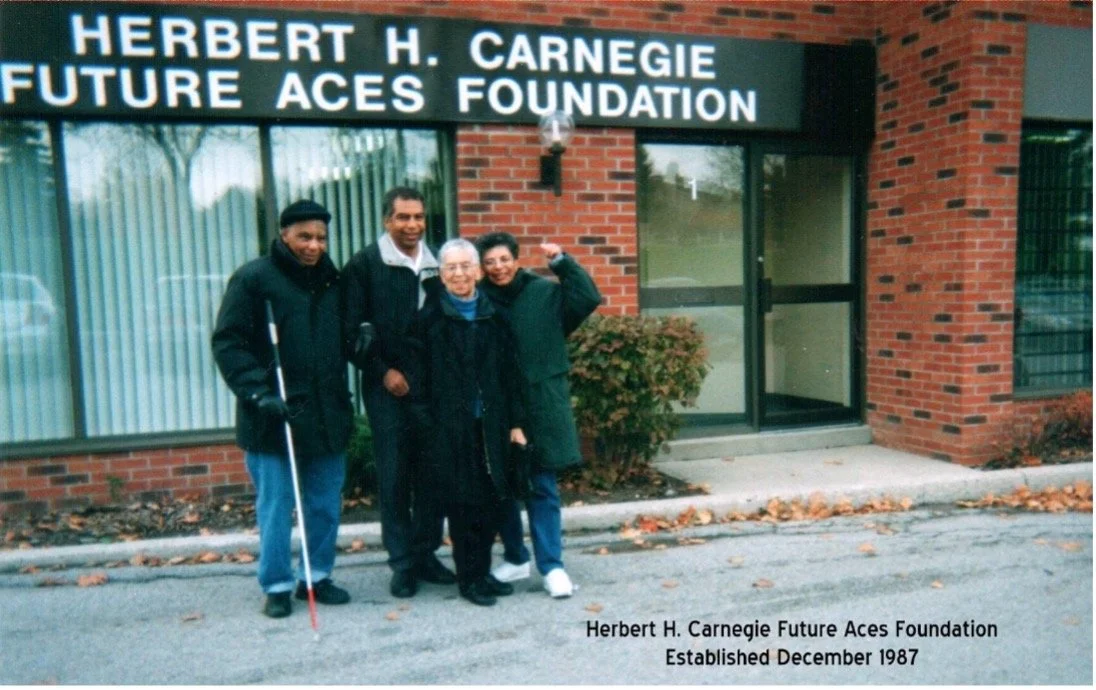
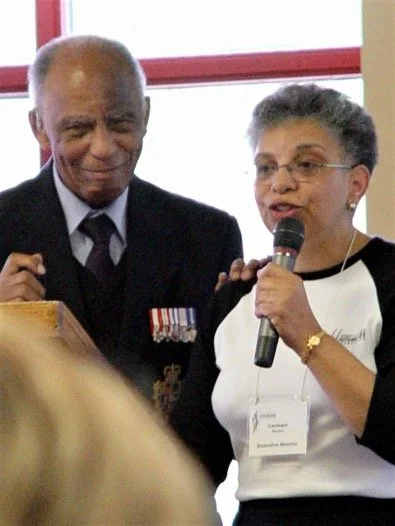
My forks in the road led me to connect with many diverse communities and contribute in meaningful ways. One achievement I’m proud of is helping thousands of young people through our family charity’s initiative, Future Aces, established in 1987. As former Executive Director, I led the introduction of Safe Schools initiatives in hundreds of schools. The organization's sustained educational initiatives and citizenship scholarships underscore the effectiveness of our foundational efforts.
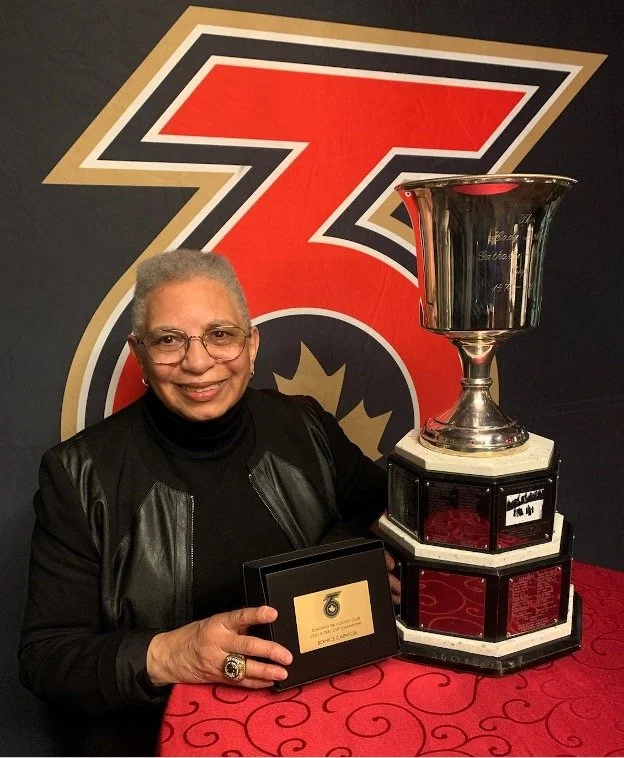
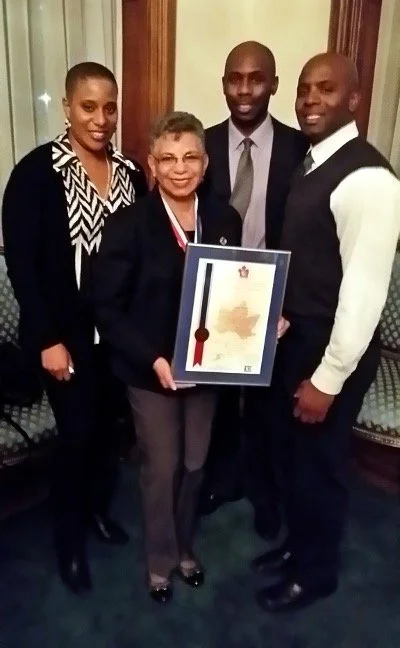
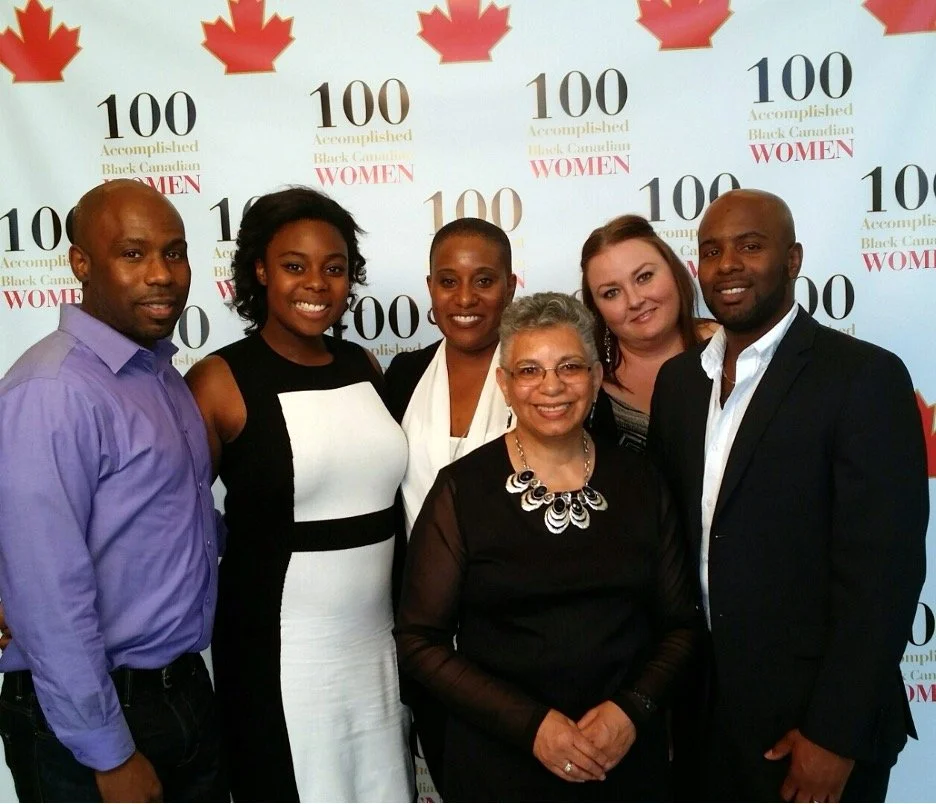
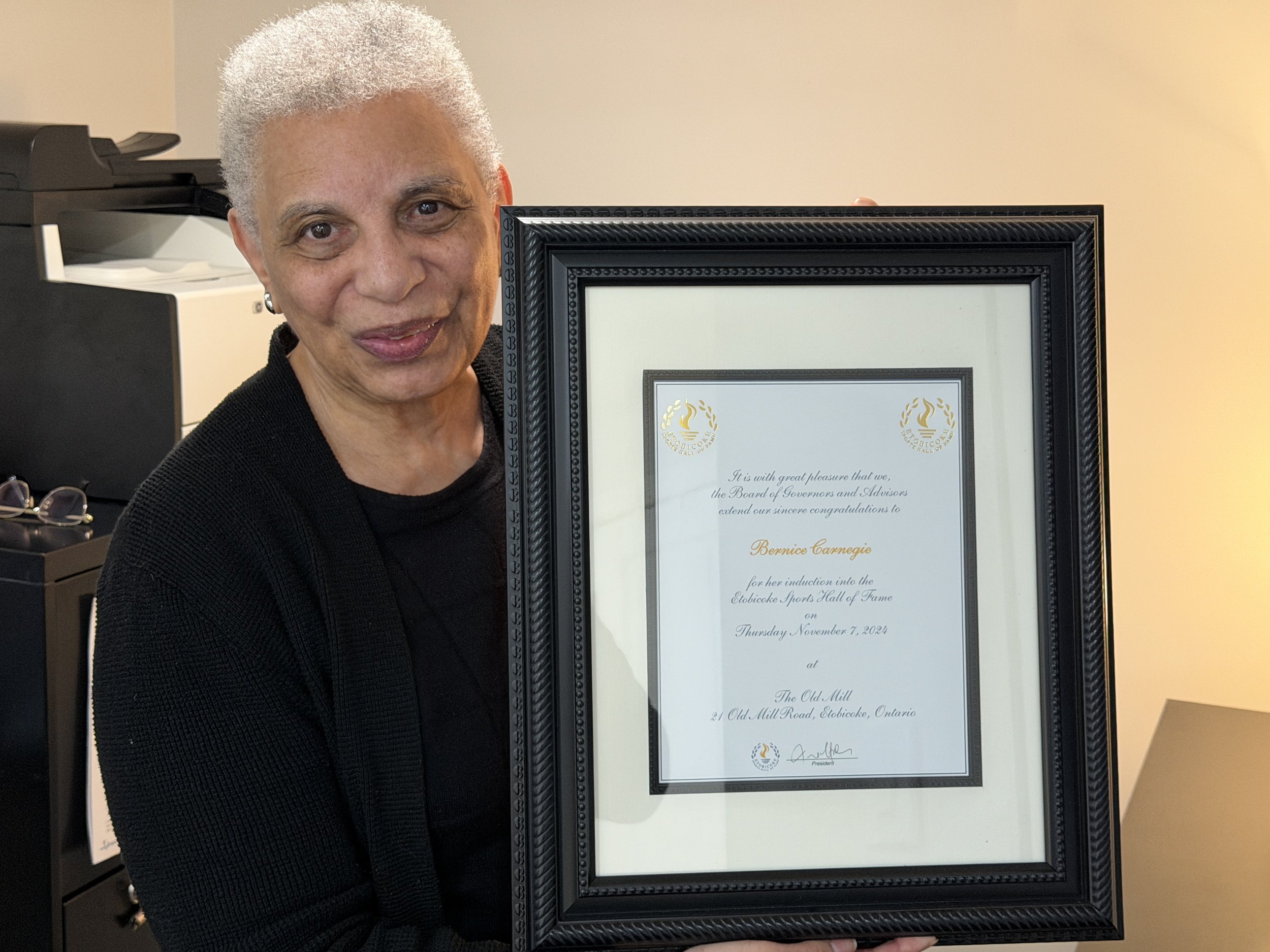
Independently, my work in social justice and inclusion allows me to continue to build relationships with many outstanding people. I never imagined I would follow in my father’s footsteps and receive a host of educational, leadership, and community service awards. It clearly has been an incredible journey. However, I know my choice to stay with my children during those formative years has significantly shaped my identity. I am continually grateful for their support, which affirms my life's value and sustains the enduring bond we share.
What is one gem you learned on your journey that you would love to share? Alternatively, what advice would you give a younger version of yourself?
For a long time, I struggled with guilt about my role in my family’s separation. I encourage readers to forgive others and, most importantly, themselves. Approach your past decisions with compassion, remembering that you acted with the knowledge and resources you had at the time. Ultimately, each of us must absorb and honour the lessons our experiences have taught us.
Be mindful that sometimes we need to know when to let go to find a pathway forward.
I internalized this quote from a movie I no longer remember. “There are two important dates in your life – the day you are born, and the day you find your purpose.” With my father’s help, I learned that one of my purposes was to give back. Good fortune has followed me most of my life. I feel responsible for sharing those blessings with each life I touch.
From the Carnegie family archives